

Working online.
I was telling a friend about how every day, I ask myself 'what would I like to do for work today?' and then get started on it - and I realised it's not how most people work. Here's why I love it.

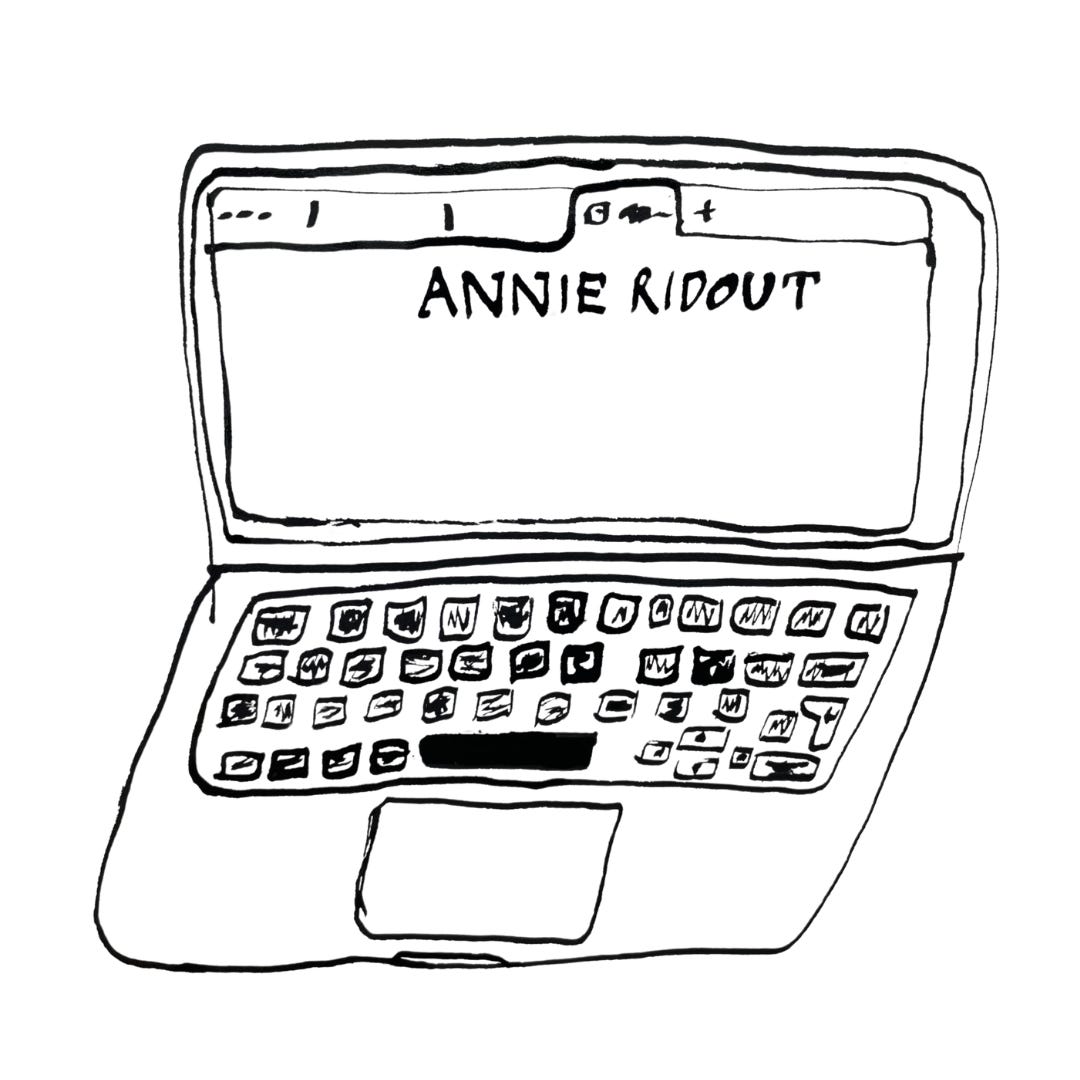
It wasn’t how my freelance career began. Back then, I was desperately seeking journalism commissions. They’d come in, every now and again, but I had to do client work, on a retainer, to earn enough each month to pay the bills.
But when I launched my first online course, I saw what was possible with just a laptop and my brain. As a writer, with experience of freelancing from home, I could teach others, through words, online, how to do the same.
So, that’s what I started doing, alongside writing non-fiction books, for the next few years.
When I decided to be a full-time poet (I wrote about this for Emma Gannon’s Substack), I started selling poetry books from a market stall and pitching for commissions for corporate companies. Now, work felt different.
I was waiting for invoices to be paid; standing at a stall waiting to see if anyone would buy my books (that feels vulnerable). I liked trying these new ways to earn a living from pure creativity but… I’m a hermit, at heart. I just want to work alone, from home.
What I love about working online, in the way I do - across Instagram, where I share poetry; Substack where I share essays like this one; online courses and workshops and Zoom coaching/consultancy - is that I get lots of interaction but it’s all online.
People often talk about how we need to be meeting people in real life, building communities where we live, connecting with humans, killing off AI, banning social media because it’s rotting our brains. And I get it. But I also disagree.
It feels quite unfashionable to argue in support of social media, like I’m down with the tech bros not the liberals, but the truth is: without social media, I would have no work. No online community. No readers (beyond those buying my books from shops).
Without social media, I wouldn’t have been able to learn about neurodivergence and creativity and how the two interact and intersect, and then turn my stance into a mission and a magazine and launch another online platform…
People sometimes ask me how I get so much done. I have been asked this for years. And yet, I don’t get more done than anyone else, it’s just that you can see every single thing I’m doing, because I share it online. There is nothing hidden, with my work.
I might write a poem that isn’t shared online or draw a picture in a sketchpad but even those usually make their way into a Substack essay, when I’m short on ideas for how to illustrate a piece or don’t have the time to do a new ink sketch.
So, my days are spent:
Writing poems
Writing essays
Sharing both online
Interviewing people for We Hyperfocus
Editing the interviews and scheduling them for publication
Occasionally working on a non-fiction book proposal
Running online workshops, on Zoom (like this Substack one)
It’s all done from my garden studio, on my laptop. I dictate ideas into the Notes app on my phone that syncs with my computer so that if I’m out and about, I can keep track of new ideas and then open them on my laptop to action, later.
Asking how I get so much done is a bit like asking a builder how he manages to get so much building done, when he’s working, or asking a doctor how she manages to see so many patients. That’s their work, this is mine. Writing and teaching, online.
The best bit about working like this is that I never don’t want to go to work. I absolutely love my work. I usually don’t have to talk to anyone (unless I’m running a workshop or coaching and then, it’s actually lovely to connect with real humans).
I never have to check in with a boss.
No pointless meetings.
The more creatively I work, the more I earn.
I take holidays whenever I like. But, because I love my work, I often take it with me. I might be sat on a windy beach in Cornwall, my hair blowing all over my face, making notes on my phone about some new philosophical idea that has landed.
Holidays inspire new ideas. And ideas are my currency. If I have ideas - for essays, workshops, courses - I have work. If I have work, I get down to it. And then, I do the illustrations for the essays myself, because it means some time away from a screen.
I love my laptop. I love working online. I’m incredibly grateful to social media for enabling me to work this way, during some tricky and unpredictable life-times, but I also know that I need time without my gadgets and computers. Reading books etc.
Though, when I’m not working, my favourite thing to do is actually watch TV. I’ve told you that before. But it feels important to not be too pretentious about down-time because I’m rarely happier than when I’m watching a drama on TV, alone.
So, that’s how I work. I know it’s not how most people work. I know it’s hard for the employed to grasp. Or even the unemployed, who rely on commissions and client work. But, it suits my free-spirited nature. I feel utterly free, in my work.
Annie x
Interested in writing on Substack, and starting to earn a living from your online writing? Join my online workshop, on Wednesday 15th April, 12pm, UK-time. Or watch the replay if you can’t make it live. An introduction to Substack (£30).
Or perhaps you’d like to create a work set-up like mine…
I call it The Creative Way and I teach it in a course (Instagram, Substack, online courses, client work). I’ll be running it live, over six weeks, starting 5th May. Early-bird sale on now, making it just £99. Read more here.
It's quite refreshing to hear a positive account of social media. I've also had a huge amount of support and interest from it, particularly on Substack. It's been an essential guide as I've navigated my recent ADHD diagnosis.
In a very ADHD moment a couple of weeks ago, I mistakenly cancelled my annual subscription to this Substack (and then was too embarrassed to admit to it, sounds familiar?). I think I'm still on the monthly sub at the moment. Anyway, I've just subscribed to We Hyperfocus, which sounds well worth supporting.