
I have a friend who was a talented gymnast as a child, but after doing it for a few years, she gave up. Now, raising her own children, she wonders what would have helped her to keep going with it.
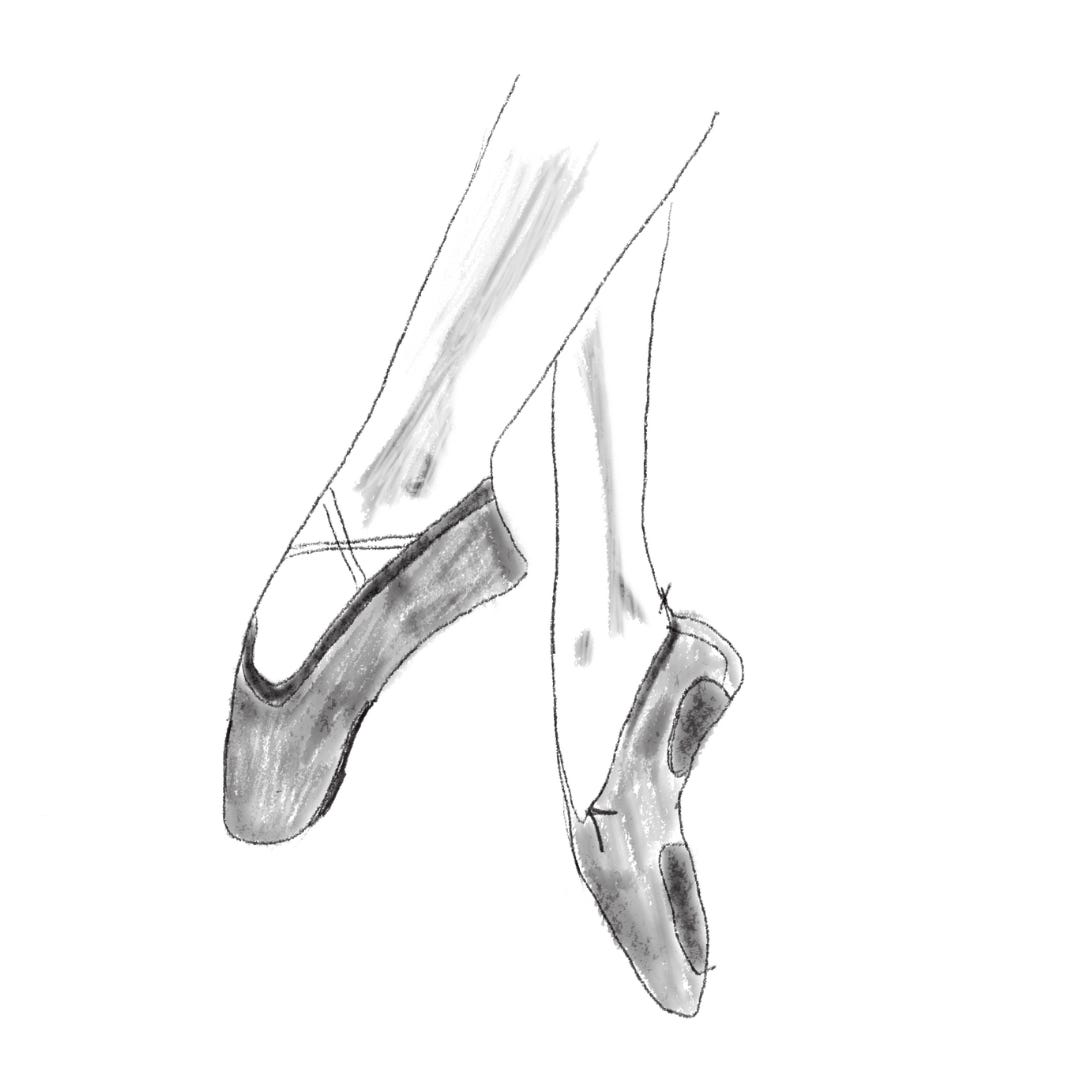
Meanwhile, I was not a talented ballerina, and yet I did ballet every week from the age of two up until I was 18. At one point, I was doing three ballet classes a week.
If it was natural talent that inspires self-discipline, you’d expect the opposite: my friend would have continued with gymnastics, and I would have quit ballet much sooner.
But I think it’s less about talent - and more about the balance between effort and reward.
Rewards for self-discipline
My daughter has started secondary school and nearly all her homework is online. She is a conscientious learner and gets on with it without being asked. More recently, she’s started doing extra homework.
Why? Because it helps her rise up the leaderboard. The students at the top are announced in assembly, and there’s a chart on the wall for everyone to see. Making it to the top of that chart has become a motivator.
This is external recognition of her effort. The extra work doesn’t take that much more time, but it’s still a choice and a commitment - and the reward makes it worthwhile.
Meanwhile, my son - who has a natural talent for maths - isn’t at all interested in the leaderboard for his primary school class. He enjoys playing the maths games, but isn’t drawn to the exercises that would move him up the ranks.
For him, the reward is internal: learning something new, or improving at something he already loves. He’s intrinsically motivated. The satisfaction of getting better is enough to keep him focused - whether it’s maths, drawing, Minecraft, or football.
Belonging as a reward
With those ballet classes I stuck to for so long, there wasn’t anyone telling me I was good and I didn’t feel I was improving at the rate I’d like to, but I had a bunch of friends who all did ballet, and they were really good at it.
This, for me, was about belonging. I stuck with it - and upped the number of classes I did - to be part of this group. I had to almost beg the teacher to let me join one of the classes, as I wasn’t really good enough.
The reward: belonging and acceptance.
Until I pretty much failed a ballet exam and decided that I’d tried long enough to keep up with my friends, and become an impressive-enough ballerina, and that now, it was time to hang up the ballet shoes.
One of those friends I’d done ballet with for years was very kind about the ‘D’ I got in the exam. She said she thought I’d done really well - she’d watched me - and that the result wasn’t fair. I appreciated her words. (Belonging and acceptance.)
Teaching self-discipline
There was a post doing the rounds on Instagram by a parenting Instagrammer saying that if your child doesn’t want to do their piano practice, you should teach them to push through that feeling of “I don’t want to” and do it anyway.
I wasn’t sure I agreed with it.
I played piano as a child - I still play, now - and I was almost entirely self-motivated. I had lessons with a teacher but I could have stopped whenever I wanted to; my parents weren’t forcing me.
However, I grew to love it so much that I wanted to practise every day. In fact, my parents occasionally told me to stop practising, because it was too early in the morning and I might wake our neighbours.
If they had started telling me when to practise, and for how long, I imagine it would have killed my passion. Creativity and performance come from within; an innate desire to make music. If it’s not there, maybe piano isn’t the right hobby?
Perhaps this idea that you need to teach self-discipline comes from fear.
Fear that a child might never do anything except play games on their iPad, if they’re not forced. But I think this idea does a disservice to our children’s inherent creativity and desire to learn - when they are learning something they want to learn.
For a child who is extrinsically motivated but might be easily distracted, some prompting could be welcome. But for someone intrinsically motivated, prompting might feel like an unnecessary, and unwelcome, ‘demand’.
Adults and self-discipline
As I learn more about neurodivergence, I can see that different neurotypes (and personality types) will find reward in different ways.
Someone with ADHD might need a pressing deadline in order to feel motivated to get on with the task; being up against it releases the dopamine that was lacking when the task was first set. Then, they can get into a hyperfocus state and work hard and fast.
An autistic person might be able to focus steadily for hours and hours, if they are working on something within the sphere of their current passionate (or ‘special’) interest. This will also be related to the dopamine hit they get.
Then there are introverts and extroverts. An introvert might find the peace of a solitary activity rewarding - and so worth pursuing - while an extrovert might be motivated by a team activity, like an in-person class or competitive sports.
I love running, but I need to run alone. I don’t want competition; I don’t want to adjust my pace to suit someone else; I want to get up and go whenever I’m ready. So, that’s what I do, every single morning. Running with others is demotivating for me.
However, I have friends who love running and they find company motivating so they will run with a friend, or a group, and this is what helps them to stick to a routine with it. Collective self-discipline.
And then I know people who hate running but think they should do it anyway. I don’t think they should. I think we should each find exercise that feels good and that we enjoy. That’s the reward: enjoying the way you’re moving your body.
A wise teenage boy said to me recently: self-discipline comes when we’re naturally motivated to do something. If we enjoy it, we feel motivated — and then we commit. I think he’s right.
Tell me about you:
In what ways are you self-disciplined?
Are there hobbies you force yourself to do, even if you don’t want to?
When is your energy highest (when alone, with others, certain times of the day)?
Does encouragement from others help or hinder?
Do you lean towards intrinsic or extrinsic motivation?
Annie x


Commitment driven by passion. Stamina driven by commitment. Good article Annie.
I have been thinking about this a lot recently too, as I try to unravel my AuDHD and make life easier for myself. And also in making sure my teenage kids feel supported enough. I need my drive and discipline to come from inside me and sometimes forget that my children may not, so I'm often, perhaps, a little too laid back as a parent.
For me I definitely need reward motivations to get going and systems to help me stay on track. I don't lack motivation but I can very easily be motivated by the wrong task.
"Always Dreaming, Highly Driven", is my favourite ADHD explanation for my brain. Grateful for the Autism that lives alongside this or I might forget to make my systems and routines! x