

Make it so manageable it's impossible to fail
A different approach to goal-setting that will set you up for success.

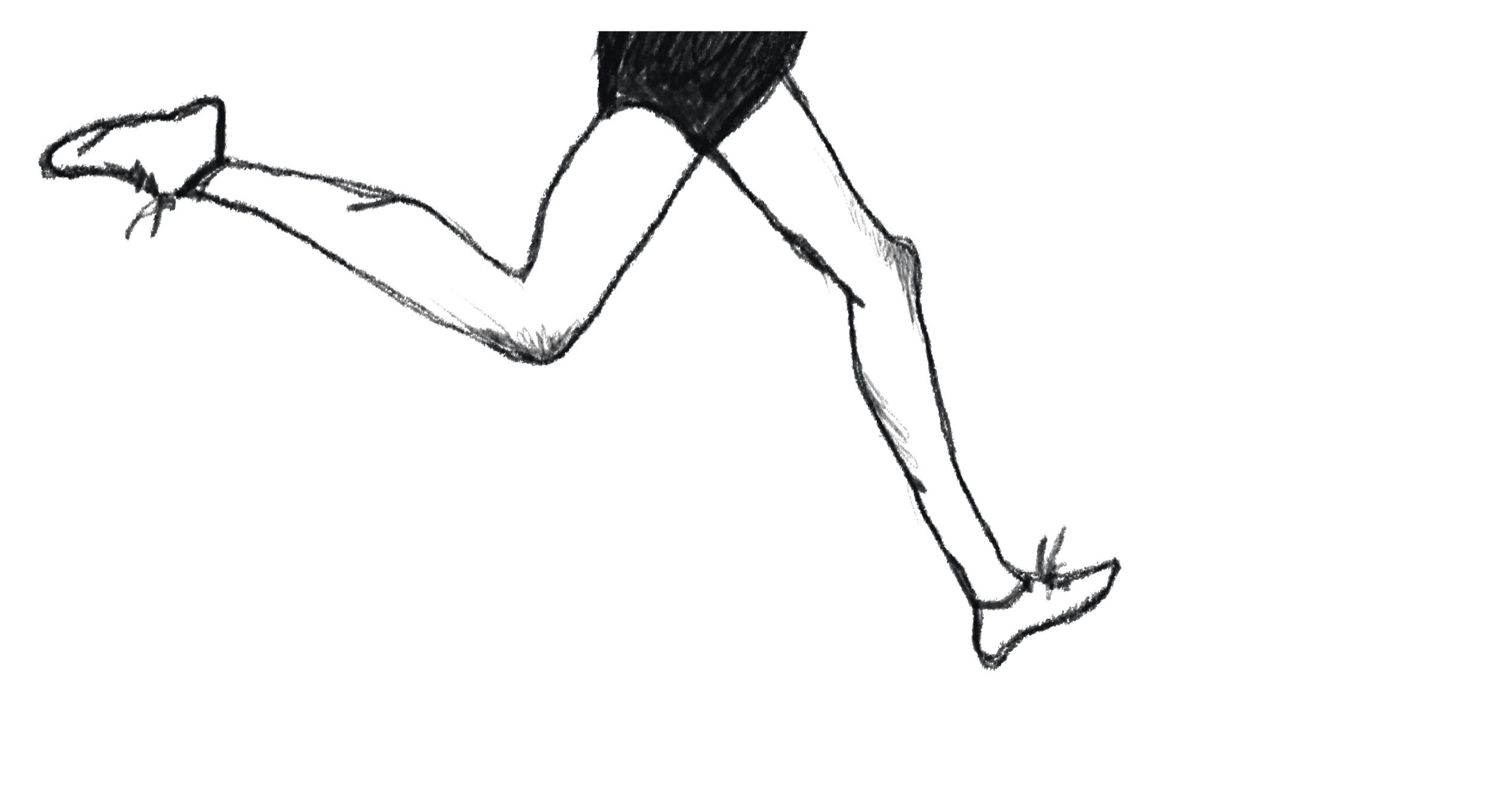
The first time I ever went for a run I was in my early 20s, at university, and probably hungover. A friend I was living with had persuaded me and we ran from our house in The Lanes, in Brighton, down to the sea, along the seafront and back home.
It was maybe a two-mile circuit and I hated it. I remember him cheering me on, at first, and then getting a bit frustrated. I wasn’t a good running companion. Too breathless, too negative, too slow. Low vibe.
A couple of years later, I went for my second run. Now, I was living in north London and my boyfriend (at the time) was a personal trainer. He suggested we go for a run together and took me on a maybe three-mile run, a scenic route through woodland.
Again, I was probably hungover. Too breathless, too slow. He was skipping up ahead, trying to motivate me. Big smile, full of energy. He was finding it so easy and I was wondering why the fuck I’d agreed to this hell. I felt useless.
For some reason, I didn’t give up on running entirely.
And a year after that, I decided to do it my way. I was living in Hackney, near London Fields. I decided to run once around the park - probably less than a mile - at my own pace. Slow. If I wanted to stop and walk, I was allowed. I could also stop and stretch.
It was manageable because I’d reduced the goal. Made it so easy that it was impossible to fail. And because I was able to reach the goal, I felt boosted. That one-off run became a daily 10-minute jog around the park. Never longer; never not done.
When I left London for Somerset, I got into longer-distance running. It was springtime and the air was so fresh. Running became a properly joyful start to the day. I continued with longer runs until pregnancy, when I had to stop.
Then, when my baby was a few months old, I got back into it. Slowly slowly. I’m talking: once round the block. Less than five minutes. Half of that walking and stretching. Tiny runs. I didn’t do couch to 5k. My goal was just to get up and out.
When my body was healed, I extended the runs.
After my second baby was born, I went a bit mad and ran 15 miles one night, in the middle of winter. That caused me some lasting issues. But at that point, after a difficult birth, I needed to prove that I still had control of my body.
However, I learnt from the aftermath - and diastasis recti - that the body/mind connection must be harmonious. The mind can’t go tricking the body into doing things it’s not capable of doing (safely). I returned to my very short runs.
In the pandemic, when we were locked in, I suggested my husband do a jog around the block. He said he’d feel silly. I said it didn’t matter what anyone else thought; that it would make him feel good. Like he’d achieved something, each morning.
He set off in his normal trainers, jeans and a woollen jumper. He liked it. He continued doing it every day. More recently, he got into long-distance running but it all started with that tiny goal: once around the block, once a day.
When I decided to help my son to try school again, after a year of homeschool, I decided to do the ‘tiny goal’ approach. First, collecting a worksheet from the office and taking it home. That, for two weeks. Next, 20 minutes sat outside the classroom.
Every time he managed to achieve his goal - which he did, because it was within reach - I congratulated him. I told him how well he’d done; how brave he’d been. For him, these ‘tiny goals’ were actually huge. Each step was a proper achievement.
A bit like running around the block, when you’ve never been running before.
Today, eight months in, my son is doing four and half hours at school, on his own. He went in smiling. If we’d tried sending him in for full days, when he first returned, it wouldn’t have worked. The goal wouldn’t have been met. This way, he could succeed.
I wonder how the ‘tiny goals’ idea can be applied to our work? Perhaps it’s about setting small goals within the bigger ones.
Like, with Becoming the Artist, the new course I’m running with my sister, I have a goal for the amount of creatives I’d love to see sign up. A big old cohort. But rather than staying fixed on that big number, I’m properly celebrating every single sign-up.
This means I get to connect, properly, with each person who is signing up. It’s not a number, going towards a goal, it’s a person. An artist. Someone on a creative journey that I get to be part of, alongside them, for the month of March. What an honour.
Feeling celebratory, and connected, gives me a boost. And that keeps my energy high.
Then, when I’m talking or writing about the course, I’m doing it from a place of gratitude and positivity, rather than desperation. I welcome one new creative onto the course and once we’ve connected, I think about the next one. Soon, the cohort grows.
I love to set myself huge sweeping goals and to dream of a ludicrously luxurious life - but I also know that it’s important to be realistic, and to stay grounded. To take one step at a time. One tiny goal, followed by another. That’s how we succeed, sustainably.
Annie x
Ps. Early-bird ends tomorrow for Becoming the Artist. Read more about it and sign up, if it’s aligned with what you’d like your work/life to look like.
Maybe it will support you to respond to one of your ‘tiny’ (or huge, sweeping) goals. It will certainly teach you how to set them…
Ax